

5,000 Years of Style: The Ancient Egyptian Kalasiris Before the Runway
Long before fashion houses, runways, and seasonal collections existed, the story of fashion began with the simple act of weaving fibers together. The earliest woven garments discovered by archaeologists show that clothing has always been more than protection from weather. Even thousands of years ago people understood the power of fabric and its ability to express identity, skill, and beauty.
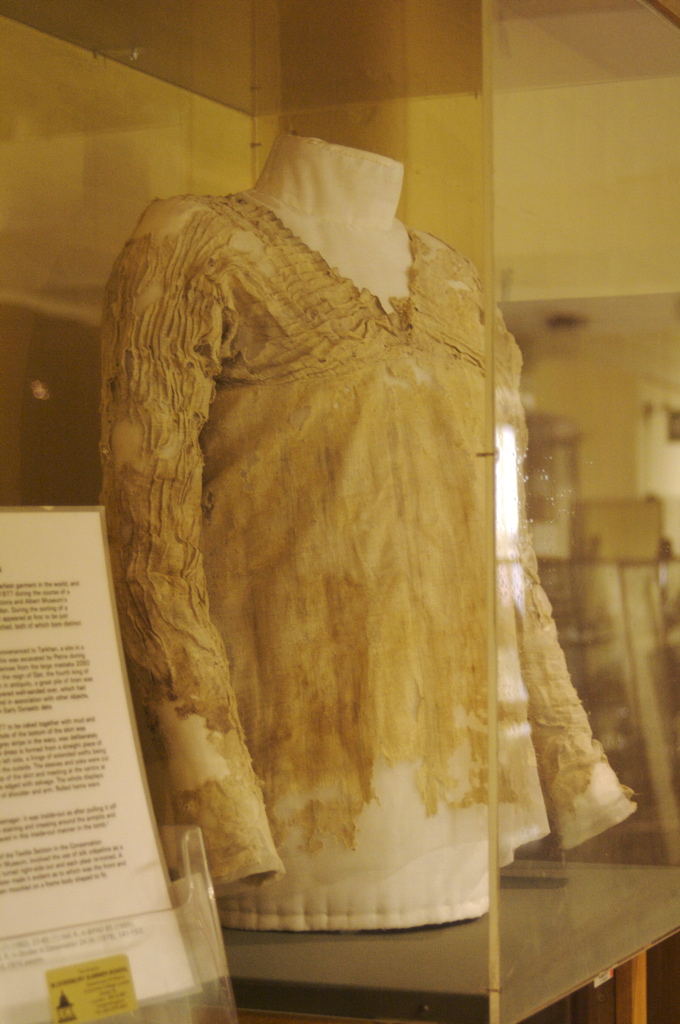
One of the most remarkable discoveries in textile history is the Tarkhan Dress, recognized as the oldest surviving woven garment in the world. The dress was discovered at the archaeological site of Tarkhan and dates to between 3482 and 3102 BCE. This means the garment is more than five thousand years old. What makes the dress extraordinary is not only its age but also its craftsmanship. It is made from finely woven linen and includes carefully formed pleats, narrow sleeves, and a subtle V shaped neckline. These details show that people in ancient Egypt already understood garment construction and shape. The dress has a softly fitted form that suggests clothing was designed to complement the body, showing that elegance mattered even in the earliest stages of fashion history.

Another fascinating example of ancient clothing comes from Ötzi the Iceman, whose preserved body was discovered in the Ötztal Alps in 1991. Ötzi lived around 3300 BCE and his clothing provides a rare glimpse into how people dressed during prehistoric times. His outfit included a cloak woven from grass fibers along with garments made from stitched leather. The woven cloak is especially interesting because it shows early experimentation with natural materials and textile techniques. The garment was practical and protective, designed to shield the wearer from harsh mountain weather. Even in this early period, clothing combined creativity with function.
Ancient Peru offers another important chapter in the story of woven garments. The Paracas culture, which existed along the Peruvian coast between about 800 and 100 BCE, produced some of the most detailed and artistic textiles of the ancient world. Their garments were made from cotton and fibers from animals such as alpaca. These fabrics were woven with extraordinary care and decorated with bright colors and complex embroidery. Many Paracas textiles include geometric patterns and symbolic images of animals and spiritual figures. Clothing in this society held cultural meaning and could represent status, beliefs, and community identity. In many ways these textiles represent one of the earliest examples of fashion used as cultural expression.

Northern Europe also provides an intriguing example through the discovery known as the Egtved Girl. Dating to around 1370 BCE, the burial revealed a young woman wearing a unique corded wool skirt made from many twisted wool strands. She also wore a short wool blouse. The design creates a silhouette that feels surprisingly modern. The skirt’s textured appearance resembles the fringe styles that appear frequently in contemporary fashion collections. This discovery demonstrates that early weaving techniques in Europe were already producing garments that balanced function with style.
Together these discoveries reveal the early roots of fashion. Techniques such as weaving, pleating, shaping fabric, and decorating garments existed thousands of years before modern fashion industries formed. These ancient pieces show that the desire to create beautiful clothing is deeply connected to human culture.
The oldest woven garments are more than archaeological artifacts. They represent the beginning of fashion itself. Each surviving textile offers a glimpse into the lives of the people who made and wore them, showing that long before fashion became an industry, it was already a form of creativity and human expression.
For more on FASHION, follow us on Instagram @fashionpivot | Twitter: @fashionpivott | Facebook: Fashio0npivott|
If you have a story or suggestion, Email: info@fashionpivot.com
Leave your views in the comment box below
Leave a Reply Cancel reply
Search Article


Latest posts

